Call for Contributions: Anti-Racism Commissioning Toolkit

To ensure our new Anti-Racism Commissioning Toolkit is rooted in real-world practice, we’re looking for your valuable input.
How you can contribute:
Case Studies: Share examples of commissioning work (completed or in progress) that applies an anti-racist, health equity, or trauma-informed lens.
Lived Experience: Share your insights to help shape our framework and ensure it effectively dismantles structural barriers.
Get involved:
Please contact phtri@cityandhackneyph.hackney.gov.uk to share your work or to connect us with lived experience experts.
New Course for Improving Ethnicity Data Collection and Research

We are pleased to announce that UCL will deliver a specialised one-day CPD course in October 2026, titled Ethnical Visualisation and Ethnic Disparities Data.
It will address a critical limitation in current practice by moving away from traditional baseline categories, which can inadvertently mask the impact of racism on health outcomes. Instead, the course will guide participants in utilising raw data for all groups relative to the total population average, providing a more transparent and equitable view across the ethno-racial spectrum.
If you are a public health data professional or have a keen interest in improving ethnicity data, please contact Aiyesha.Desai@Hackney.gov.uk for more information.

Check out the latest episode of the PHTRI podcast

The new episode of the PHTRI podcast is now live, and it features a very special guest.
In this episode Dr Sandra Husbands, Director of Public Health of City and Hackney, interviews Professor Kevin Fenton (CBE) about his three decade career in public health.
The discussion covers his globe-trotting journey, his rise to public prominence during the COVID pandemic and his brand of authentic leadership.
You can watch the interview on the ADPH London You Tube page.
You can access all of the episodes in the series here
Racism and racial health inequity: four theories for public health
Published in the Journal of Public Health at the start of 2026, Racism and Racial Health Inequity: Four Theories for Public Health identifies four social theories to combat racism and advance racial health equity. These theories emerged through the Trust and Cohesion workstream’s engagement with two anthropologists, Dr Caroline Parker and Professor Melissa Parker.
The publication outlines a set of conceptual tools designed to help public health professionals dismantle racism and reduce disparities by moving beyond treating “race” as a static variable, and instead addressing the social structures that produce health inequities.
You can access the full paper here

NHS Ethnicity Recording Improvement Plan
The NHS is committed to reducing healthcare inequalities and delivering equitable access, excellent experiences and optimal outcomes for everybody. To achieve this, they need to understand and respond to the needs of all the communities they serve. High quality data that helps them understand who is experiencing health inequalities is critical to this.
This plan sets out targeted actions to strengthen the quality, consistency and completeness of ethnicity data recording. It supports NHS organisations to identify and act on issues that affect their ability to record and analyse ethnic health inequalities data.
Access the full plan here
Controversy over closure of Sickle Cell Day Unit
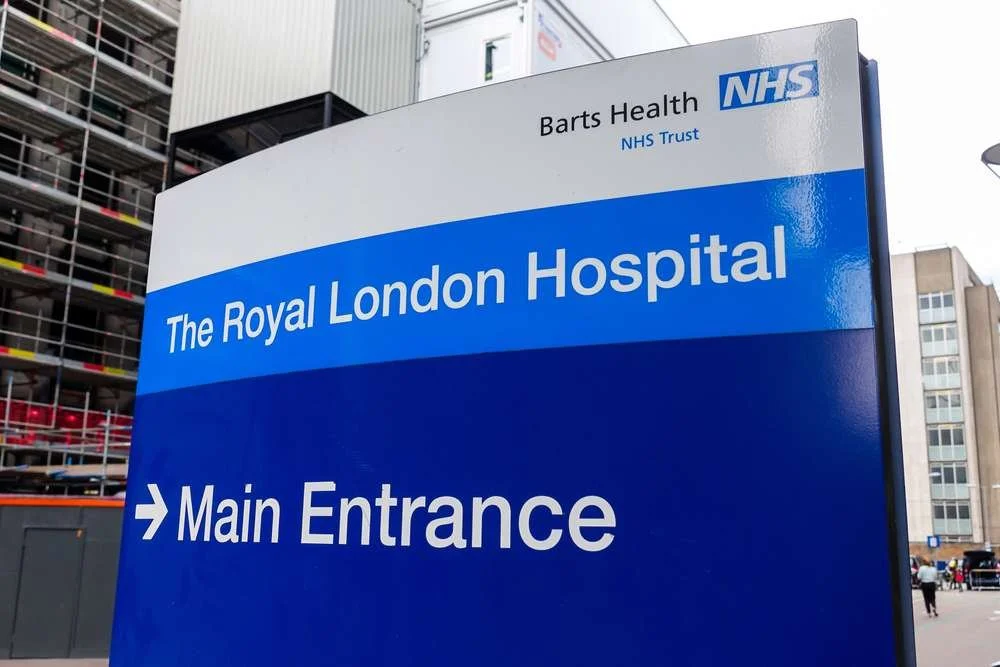
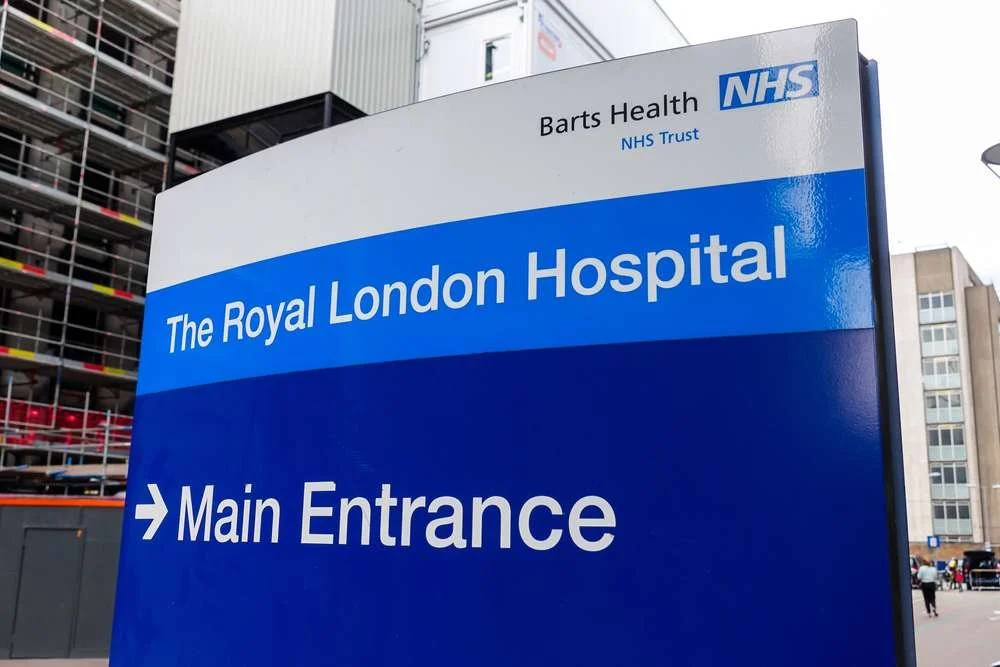
There was much controversy at the start of the year over the rumoured closure of Sickle Cell Day Unit at the Royal London Hospital in Whitechapel, London. A petition was formed to urge the Royal London Hospital and governing health authorities to maintain and adequately fund the Sickle Cell Day Unit, securing its services for future generations.
https://www.change.org/p/prevent-closure-of-the-sickle-cell-day-unit
The organisers argue that the closing of this facility would have a devastating impact on the hundreds of families who rely on its specialised services. Following sustained campaigning by youth worker Delo Biyelo, with later support from organisations like ACLT charity, the campaign was even covered by ITV News
But the Royal London Hospital sees the situation differently. Barts Health NHS Trust put out this statement
“We recognise the strength of feeling and support that our same day emergency care (SDEC) pilot has received, which is a testament to the hard work of our teams.Funded by the North East London integrated care board, it involved testing an alternative route for treating emergency patients with sickle cell disease who were experiencing acute pain. This was alongside the normal route of being treated through our A&E. We did this so we could evaluate its impact and plan more robustly for future services. The pilot ran from September 2025 to the end of January. There is no change to the way we manage patients with sickle cell disease, and our Haematology Day Unit remains open for all our elective transfusion therapies. Patients with sickle cell disease will continue to receive specialist-led care at our hospital.
We are committed to improving pathways for the management of pain in patients with sickle cell disease, both acute and chronic, and will continue to welcome input into service design. Our team are in the process of collecting data and feedback on how the pathway was used, to share with the ICB and help inform future funding plans.”