
Anti-Racism Commissioning in Public Health
Commissioning shapes what and how services exist, who delivers them, and who they reach. Over 40% of Londoners are from Black, Asian and minoritised ethnic communities, yet they consistently experience worse health outcomes as structural racism is embedded in commissioning processes. This page brings together practical tools, peer-produced mini-reels and shared learning to help public health commissioners across London to apply an anti-racist lens throughout the commissioning cycle, from analysis through to review.
What is anti-racism commissioning?
Anti-racism commissioning is the intentional and active process of designing, funding and delivering public services in ways that name, challenge and dismantle structural racism, ensuring that racialised communities receive equitable access, outcomes and dignity.
This definition was created with contribution from over 50 health practitioners. We are in the process of testing and refining it.
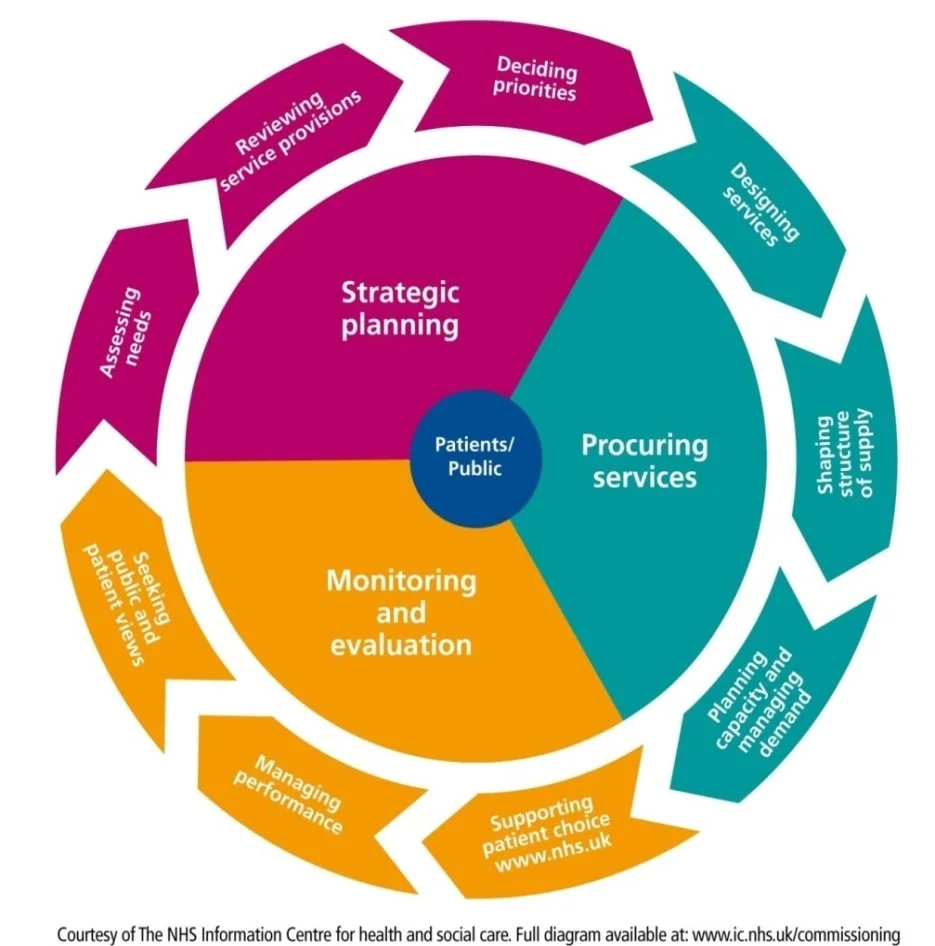
The Anti-Racism commissioning cycle
Use the commissioning cycle as a framework for applying an anti-racist lens.
Each phase has prompt questions to guide your analysis and action.
Download the full toolkit for the complete set of prompts and a critical reflection tool.
(Add cycle - with interactive features - when you click on each quadrant a key anti-racist question applied to the quadrant )
Analyse -Understand need and context - Have we disaggregated data by ethnicity?
Plan -Set priorities and design services - Have we embedded lived experience voice into decisions made?
Do - Deliver and build capacity - Are procurement and commissioning methods transparent and accessible?
Review - Monitor, evaluate and learn - Have we listened and learnt from racially marginalised communities, and fed the information back into the commissioning cycle?.
Watch the webinar
Watch the recording of our launch webinar introducing the anti-racism commissioning toolkit and hearing from commissioners about their experiences.